
Estimated Reading Time: 9 min
Welcome to your comprehensive guide on building the capabilities that matter most in today’s competitive Canadian job market. This resource comes from Jobsrack, your trusted partner in career development and professional growth.
Earning a degree is an important foundation, but it’s just the starting point. According to McKinsey research, today’s hiring managers prioritize what they call “higher cognitive skills” – those abilities that cannot be automated because they require creativity, critical thinking, and strong social intelligence.
Companies across India are actively seeking candidates who demonstrate real-world readiness. They want people who can adapt, solve complex problems, and work effectively in team environments. A diploma alone no longer guarantees employment success.
This article will explore ten critical areas that can significantly boost your professional prospects. We’ll provide practical advice based on current education research and direct feedback from hiring professionals.
Gone are the days when a degree alone was the golden ticket to a successful career. The professional landscape has transformed. Today’s job market values a dynamic blend of knowledge and practical abilities.
Employers now seek candidates who can contribute meaningfully from their first day. There’s a clear shift from purely technical knowledge. Organizations need people ready for diverse roles in a fast-paced environment.
This change is driven by a rapidly evolving workplace. Companies prioritize adaptability because the business landscape never stands still. The most valued skills are those that automation cannot replicate.
Research highlights that human creativity and complex problem-solving remain in high demand. Understanding these employability trends is crucial for navigating the Canadian market. This market especially values professionals who thrive in multicultural teams.
By focusing on these core competencies, graduates position themselves as valuable assets. Employers invest in talent that demonstrates strong employability and a versatile set of skills. This strategic approach makes a significant difference in one’s career path.
The modern workplace demands more than academic credentials—it requires practical abilities that translate directly to real-world success. These workplace-ready competencies form the foundation of strong employability skills that hiring managers actively seek.
Employability skills represent the transferable capabilities that complement your specialized knowledge. They include both technical skills for specific roles and universal soft skills like communication and teamwork. This balanced approach creates a well-rounded professional profile.
What makes these abilities particularly valuable is their flexibility across different industries. Graduates can pivot between sectors or roles as new opportunities emerge. This adaptability is crucial in India’s dynamic job market.
Developing strong employability brings tangible benefits. It enhances job performance, boosts productivity, and increases satisfaction. These competencies also improve workplace relationships with colleagues and clients.
The following sections will explore specific skill categories in detail. You’ll learn why each matters and how to actively develop these capabilities to strengthen your professional readiness.
Strong leadership and seamless teamwork form the backbone of successful modern organizations. Employers actively seek individuals who can guide projects while collaborating effectively in diverse teams. This combination demonstrates immediate value in any professional setting.
True leadership extends beyond formal titles. It means taking ownership of your work, inspiring others, and positively influencing group dynamics. Even entry-level roles benefit from this proactive approach to collective success.
You can develop these capabilities through practical experiences. Join student organizations where you can coordinate initiatives. Volunteer for group projects that challenge your collaborative skills. Seek mentorship opportunities to observe effective team management strategies.
Working in teams teaches invaluable lessons about communication and conflict resolution. You learn to leverage different perspectives for better outcomes. These experiences prepare you for the collaborative nature of today’s workplace.
Canadian employers value candidates who demonstrate successful collaboration. Highlight academic or volunteer experiences where your leadership contributed to group achievements. These competencies apply across all industries and organizational structures.
Read This Blog Also: Career Growth Opportunities in India’s Business Sector
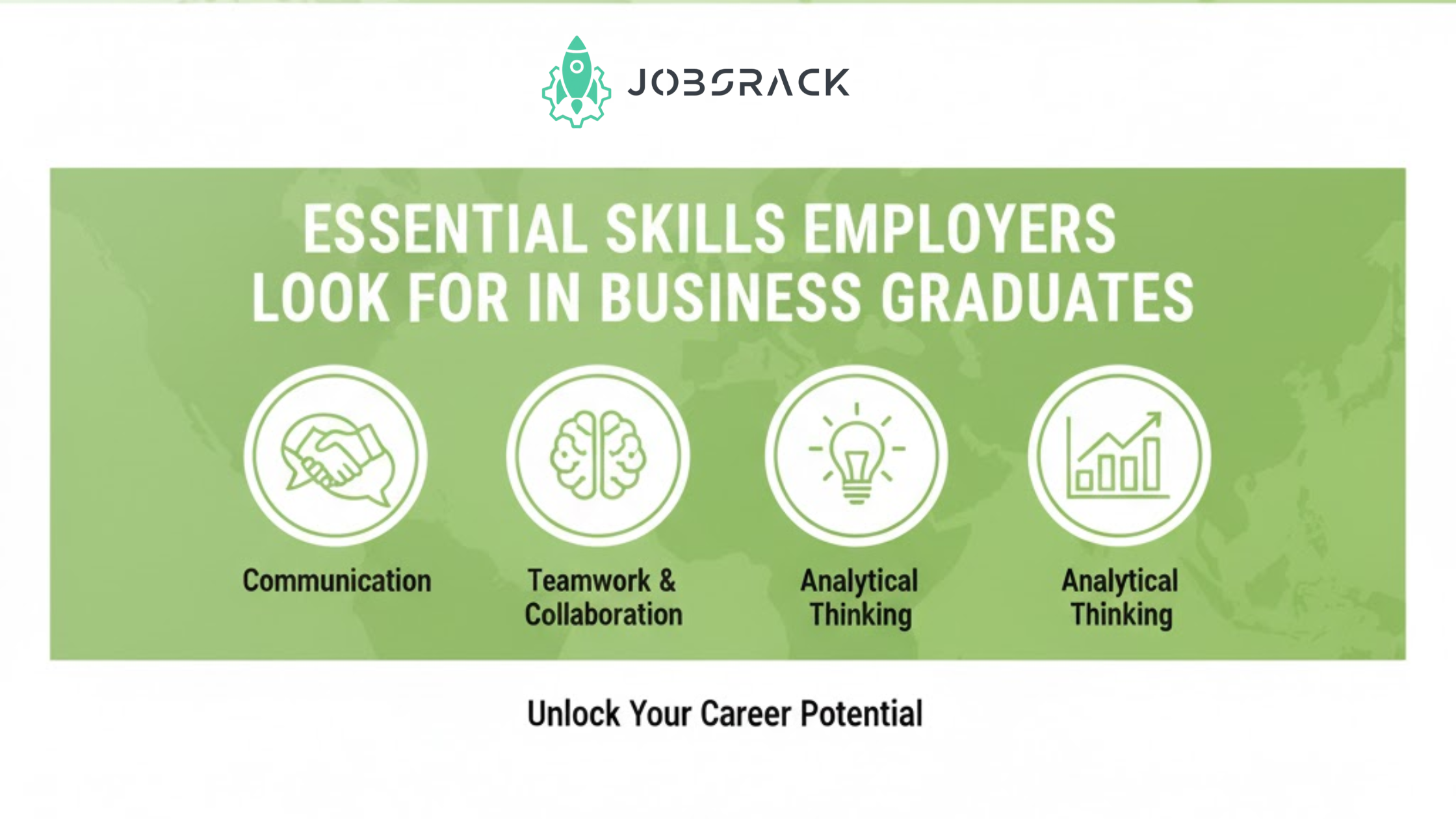
The capacity to express ideas clearly and analyze situations thoughtfully represents a powerful combination for career advancement. These competencies rank among the most valued employability assets across Canadian organizations.
Effective communication involves multiple dimensions. Professionals need strong verbal presentation skills, clear written reports, and active listening capabilities. Tailoring messages for different audiences demonstrates true mastery.
Critical thinking ensures your messages carry weight and substance. This ability to analyze information prevents superficial or impulsive decisions. Instead, you develop well-reasoned positions based on evidence.
Analytical thinking examines problems from multiple perspectives. It helps identify patterns and evaluate options systematically. This approach leads to innovative solutions that drive meaningful results.
Practical development strategies include public speaking workshops and regular writing practice. Engaging in debates and analyzing case studies strengthens these capacities. Structured problem-solving frameworks provide valuable exercise.
Employers actively assess these communication skills during interviews. Behavioral questions and scenario-based challenges test your thinking process. Demonstrating competence directly influences hiring decisions.
Strong communicators who think critically become trusted organizational advisors. They articulate complex ideas with clarity and provide thoughtful recommendations. This combination creates significant professional value.
The ability to manage your time effectively separates average performers from top achievers in any professional setting. This capability consistently ranks high on employer wish lists because it directly impacts productivity and work quality.
Effective time management involves more than just scheduling. It requires prioritizing tasks based on importance and urgency. Professionals who master this can allocate appropriate time blocks and maintain focus to complete work efficiently.
Strong organizational skills help people achieve both short-term deliverables and long-term career goals. Organized professionals consistently outperform those who struggle with time allocation. This creates a clear advantage in competitive environments.
Many students face the challenge of balancing academic projects with part-time work and personal commitments. Mastering this balancing act builds invaluable organizational capabilities. These experiences prepare you for workplace demands.
Practical strategies include using digital planning tools and setting SMART goals. Breaking large projects into manageable tasks makes them less overwhelming. Regularly reviewing progress against timelines keeps you on track.
The ability to manage multiple priorities becomes more critical as careers progress. Demonstrating strong time management during your studies provides concrete evidence of this valuable ability. This foundation supports career advancement and professional growth.
The integration of technology across all business functions has elevated digital literacy from an optional asset to an essential requirement. Virtually every modern operation relies on sophisticated tools, platforms, and data-driven decision-making processes that demand solid technical skills.
Business graduates benefit from mastering a diverse range of digital capabilities. These include productivity software, analytics tools, marketing platforms, and project management systems. Industry-specific applications provide additional competitive advantages in specialized roles.
Employers increasingly value candidates who can interpret complex data effectively. The ability to translate analytics into actionable insights informs strategic planning and improves organizational outcomes. This analytical competence represents a significant professional advantage.
Developing these capabilities occurs through multiple channels. Academic programs incorporate relevant courses, while internships offer hands-on experience with industry-standard tools. Online certification programs and self-directed learning complement formal education.
Combining strong technical skills with well-developed interpersonal abilities creates a powerful professional profile. This balanced approach demonstrates immediate readiness for technology-enabled workplaces. Staying current with evolving tools shows adaptability that employers highly value.
In today’s unpredictable professional landscape, your ability to navigate uncertainty becomes a career superpower. Canadian organizations particularly value professionals who demonstrate strong adaptability during market shifts and technological changes.
This flexibility represents a core component of modern employability. True adaptability means maintaining composure when facing unexpected problems. It involves staying positive while developing practical solutions.
Resilience complements this flexible approach. It’s the ability to recover from setbacks without losing motivation. Professionals who bounce back quickly become trusted assets in any workplace.
These skills interconnect powerfully. Flexible thinking helps you approach problems from fresh angles. Resilience maintains your drive when initial solutions need adjustment.
Develop these capabilities through deliberate practice. Seek projects outside your comfort zone. Analyze past challenges to improve future responses. Employers often assess this adaptability through behavioral interview questions.
Graduates who master these skills demonstrate outstanding employability. They handle workplace surprises with confidence and creativity. This approach creates lasting value throughout your career journey.
Your professional network often becomes the invisible bridge to career opportunities you never knew existed. Many positions get filled through personal connections rather than public postings. Building authentic professional relationships opens doors that traditional applications cannot reach.
In today’s global environment, cross-cultural competence is essential. Companies operate internationally with teams from diverse backgrounds. Understanding different perspectives creates stronger collaboration and better outcomes for everyone involved.
An entrepreneurial mindset brings innovation to any role. This approach means taking initiative and identifying improvement opportunities. Candidates who think creatively stand out because they contribute beyond assigned tasks.
Practical development happens through industry events and professional associations. Engaging with diverse groups builds cultural awareness. Seeking mentors provides valuable guidance for your professional journey.
These capabilities significantly enhance your employability in the Canadian market. They demonstrate readiness for complex roles in modern organizations. Investing in these areas creates lasting value throughout your career path.
Modern professional achievement hinges on developing a versatile toolkit of real-world capabilities. The ten areas we’ve explored—from leadership to entrepreneurial thinking—form a comprehensive foundation for success.
While academic credentials provide essential knowledge, these practical abilities truly differentiate candidates in today’s competitive market. Each capability adds individual value, but their combined strength creates a powerful professional profile that attracts employers.
This development represents an ongoing journey rather than a destination. Continuous improvement serves graduates throughout their entire career path. The investment in building these transferable capabilities pays significant dividends through increased opportunities and satisfaction.
At Jobsrack, we’re committed to helping individuals develop the employability skills that Canadian organizations value most. Explore our tailored resources and guidance to build the capabilities that launch fulfilling careers.
